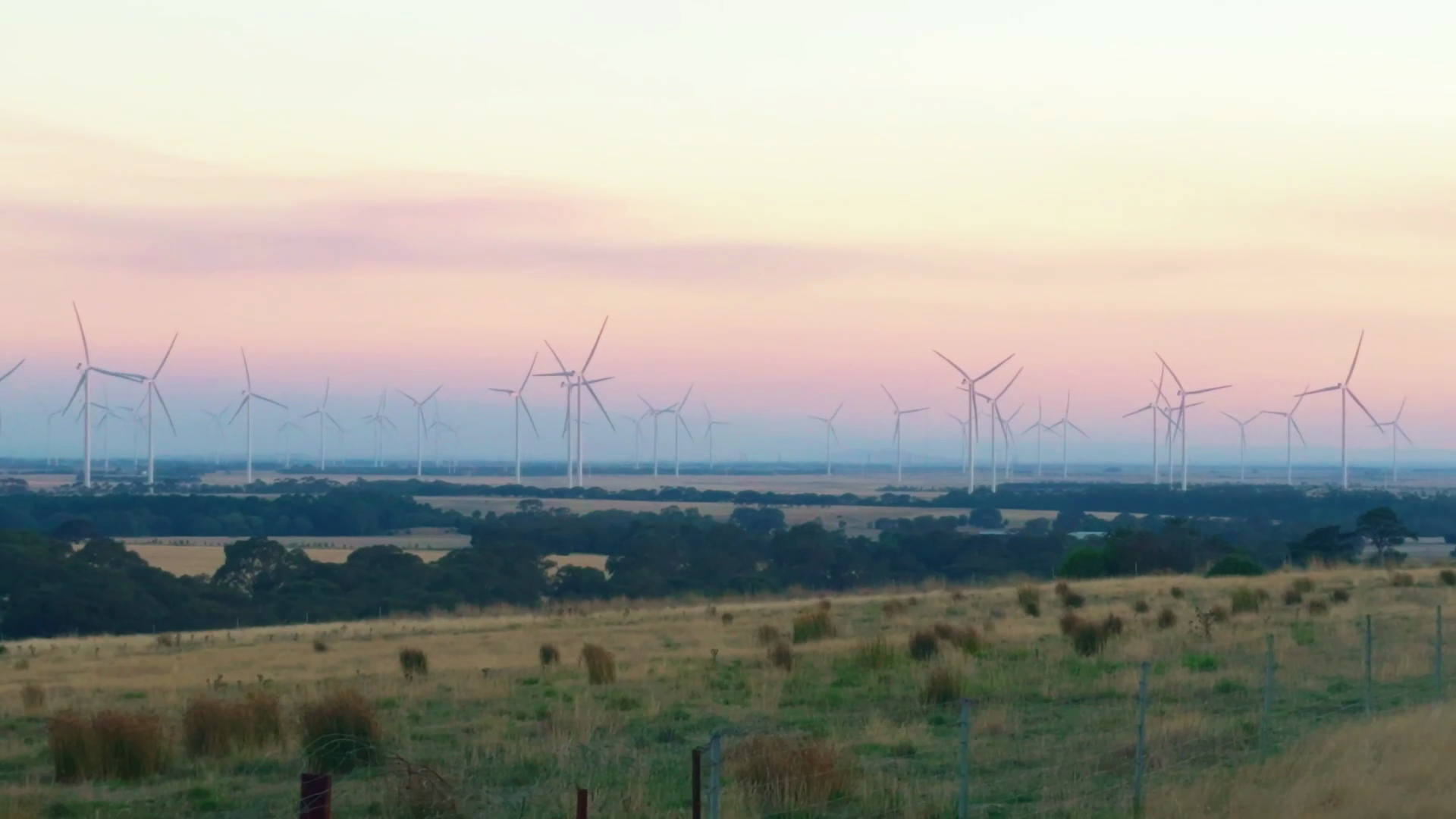
The Wind Writes.
That’s the name I’ve given this project. It explores wind as an interaction agent – operating a digital interface through text – removing both human input and AI mediation from the interaction loop. An exploration of more-than-human interaction design, though I feel that term is somewhat of a misnomer, for interaction design is inherently human-centered.
The work is site-specific – I’m not pulling datasets from a generic weather API, which tends to be delayed or geographically distant and abstract. What I’m interested is not generalised weather, but specific, live and localised conditions at my farm. I’m waiting for a weather station kit to arrive, so the system could be driven by on-site data.
Over the weekend I’ve been working through getting the system to function as a live interface – mostly getting the front end and back end to play nice with each other. It’s now at a point where it works. Not polished but operational enough to start observing behaviour and iterate more efficiently.
The real challenge isn’t technical but to negotiate agency. How much agency do you allow the wind as an interaction agent?
Too much and the system starts to lose coherence – the output becomes incomprehensible. Too little, you risk drifting towards human authorship, which is against the spirit of the project.
I’ve been defining the conditions further. Not too prescriptively, but in terms of how different wind qualities – eg intensity, variability, begin to affect the behaviour of the interface.
The clip here is still early. What you’re seeing is the system running on simulated wind data. At the bottom of the interface, the simulated data is displayed, indicating simulated wind direction, wind speed and the current wind state (calm, moderate, strong). These conditions determine the selection of text.
The words are logical individually, but when they come together, they don’t always hold context. Sometimes phrases are semantically off – something like “rusty sheep.” It’s the limitation of the system – I’ve only added a limited array of about 30 words (hence the repeated words here) with basic structure – nouns, verbs, adjectives.
That limitation is interesting in itself, but it needs more work. Not to over-correct it but to understand how much agency to allow before it breaks.
Or perhaps it’s actually okay for it to break. I’m still unsure. It remains unresolved.
Still quite a lot to unpack.
Early thinking behind this project: Wind as Interaction Agent