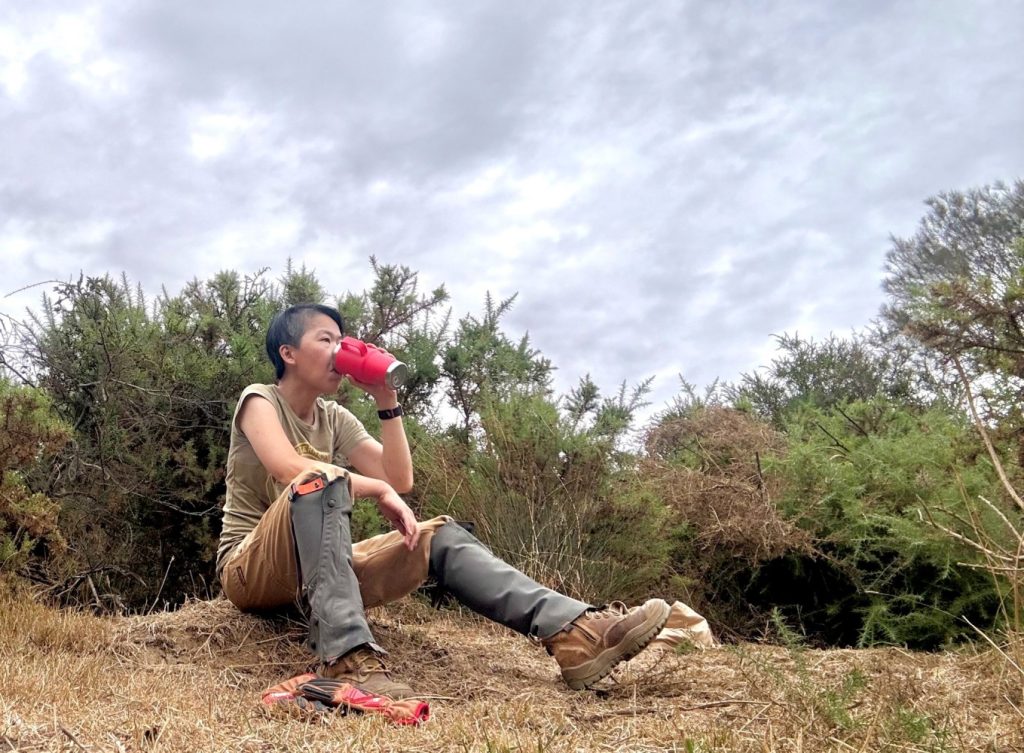
At work, I spend a great deal of time where regenerative futures is discussed as strategy, aspiration and ambition. This Lunar New Year, I took two weeks break for some needed restoration – preparing myself for a very hectic semester ahead. Sitting with my army of chickens at the farm, I have been reading Design for Regenerative Cultures by Daniel Christian Wahl. It’s expansive, ambitious and intellectually refreshing – I like how Wahl reframes systems thinking at a civilisational scale.
One line stuck with me at the beginning of the book – Wahl reminded us that the task is not to be tempted by urgency to rush towards seeking and acting on solutions, but instead to pause and first ask the right questions. Because we are extremely capable of coming up with perfect solutions to the wrong problems.
That sentence followed me down to the paddock, where regeneration irl looked very different. It looked like cutting gorse.
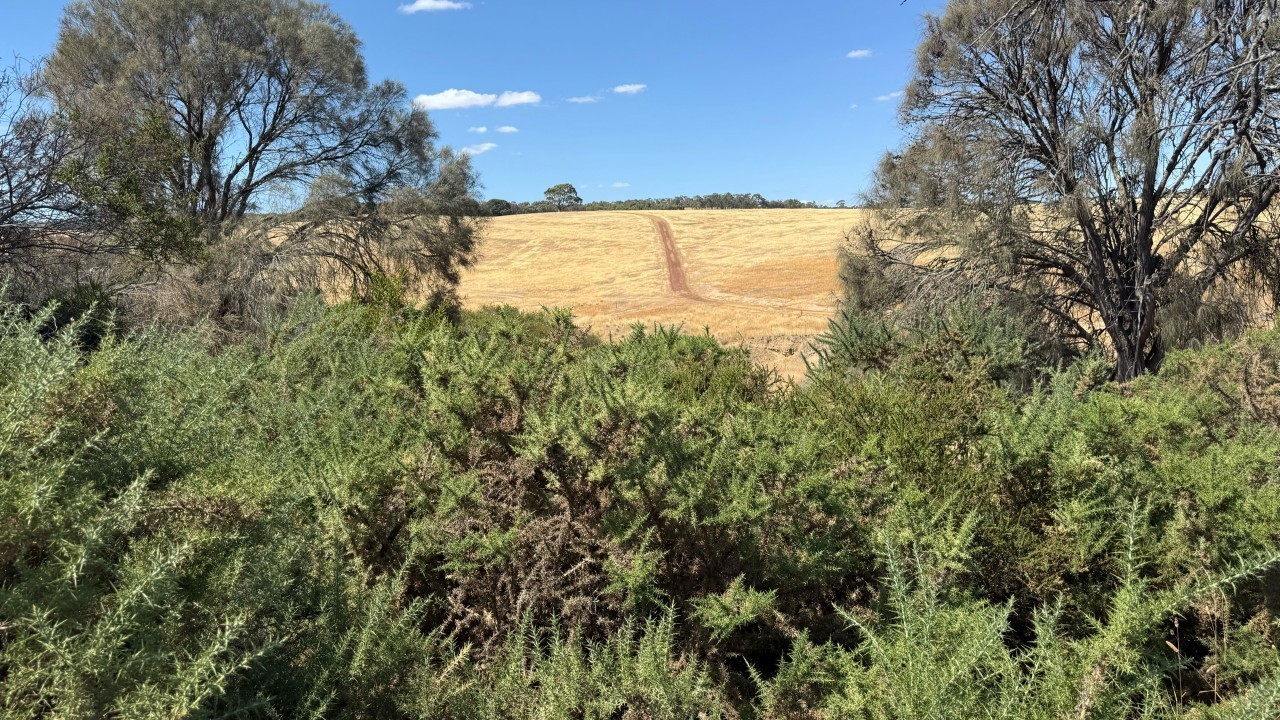
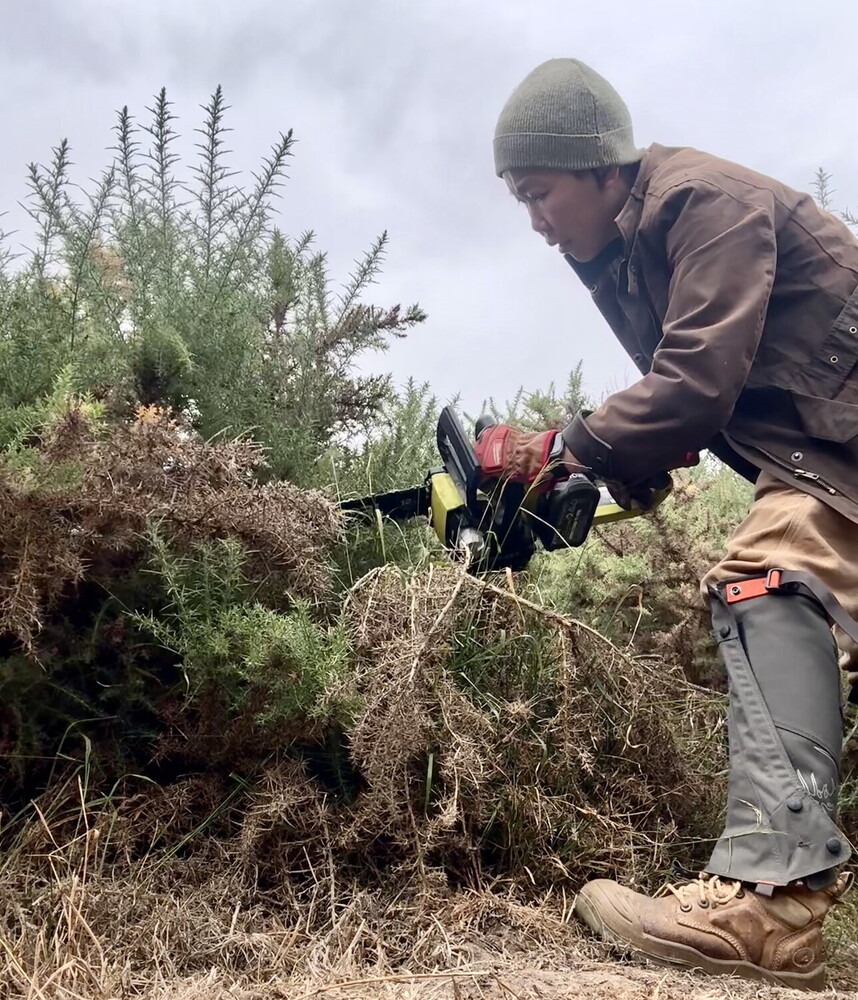
Since last week I’ve been spending my afternoons – two to three hour sessions – hacking through a dense labyrinth of thorny gorse and prickly acacias in an area I had not physically been able set foot on since acquiring this farm six years ago. By all local accounts, this used to be cleared paddocks thirty years ago. Decades of non-management and the invasive species reclaimed the land – progressively taking over acres and acres, rendering it entirely inaccessible and creating a safe harbour for rabbits and foxes – annoying pests that compete with native animals.
The romantic narrative says nature will “rewild” – that if we simply step back, nature will take over, do its beautiful thing and restore itself to perfect equilibrium. In practice though, especially on land that has already been cleared, grazed, compacted and altered over generations, it shifts towards the most competitive species under present conditions. In my unfortunate case, that pioneer weed is gorse.
I hate gorse with a passion. It is declared a noxious weed. As landholder, I am legally responsible for controlling it. It’s not a philosophical responsibility – it is operational, financial, ongoing and very physical.
Gorse is a formidable plant. Bright yellow flowers that faintly smell like coconut – but don’t be fooled. Its thorns are like cactus spines multiplied a thousand times over, interlocked and impenetrable. When the flowers dry, the seed pods explode like confetti. Seeds travel on animals, on boots, in soil disturbance. And those seeds remain viable in the soil for up to 80 years – that seedbank alone shows its persistence and how challenging it is to eradicate entirely from land.
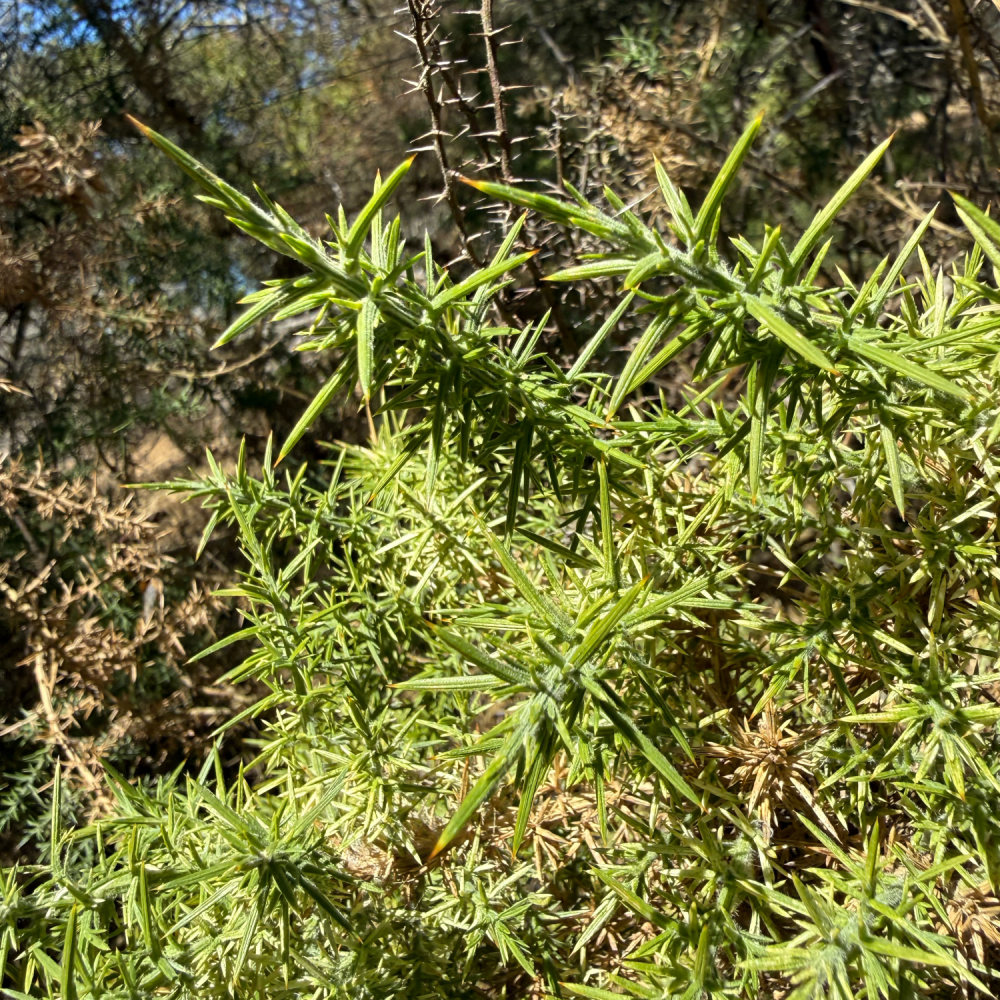
Case in point, the gorse that was left to “rewild” over decades gained solid footing across acres on my farm. Some bushes over two metres tall. You cannot walk through without coming out scratched, even in thick clothing. The only armour worthy of handling it involves welding gauntlets, oilskin jacket, heavy pants and – if I’m feeling cautious – snake gaiters. On hot days it is borderline absurd.
Over recent years I have tried multiple approaches. Spraying entire plants with Glyphosate was laborious and expensive. Full coverage is required, which becomes physically and financially unrealistic at that scale – herbicide is very costly. Mechanical removal with a neighbour’s excavator was quick, but it disturbed the soil. Months later I watched a flush of seedlings rise from the activated seedbank. What looked decisive in the short term was simply a reset in the long term.
So back to Wahl’s point about “perfect solutions to the wrong problems” – the wrong question is “How do I remove gorse quickly?” The difficult – but correct – question is, “How do I shift the long-term ecological trajectory of this land – knowing the seedbank will out-persist my persistence?”
The method that has proven most effective thus far is cut and paint.
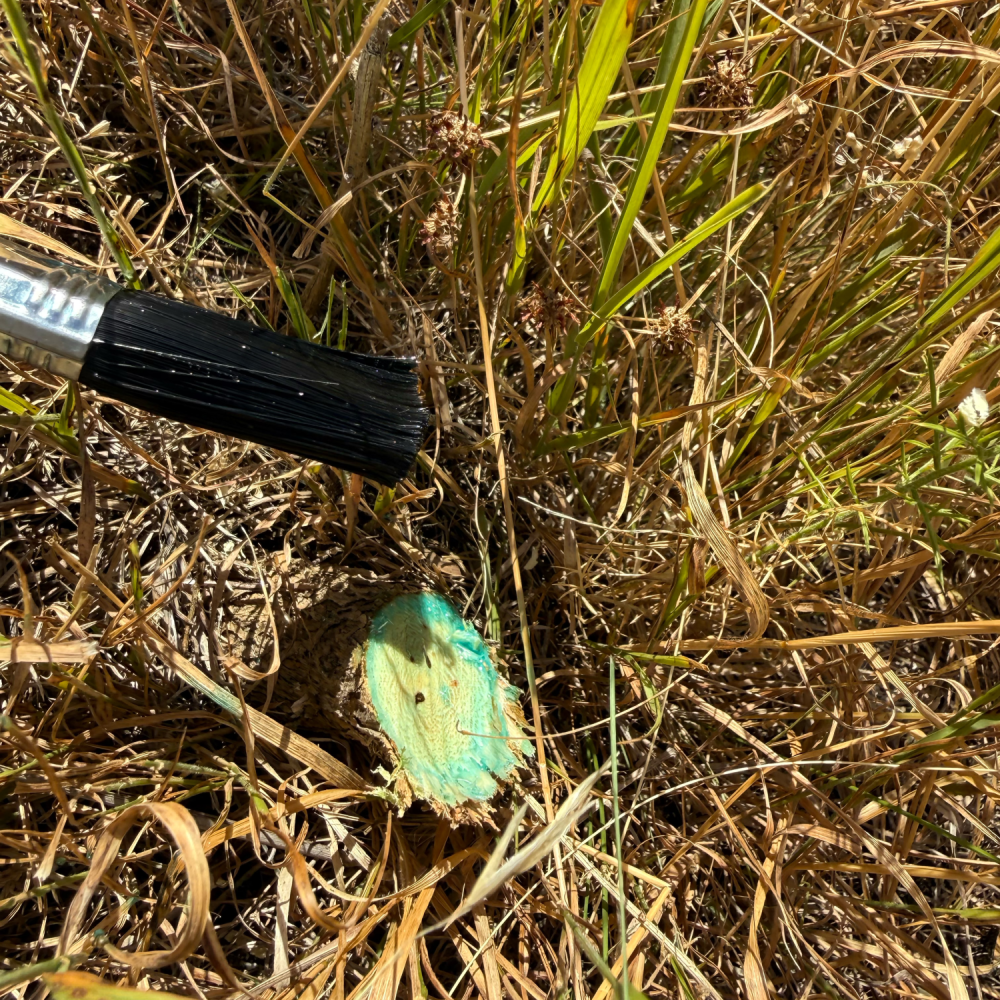
Chainsaw the plant at the stump. Within roughly 20 seconds, paint concentrated Glyphosate onto the freshly cut stump. That timing matters – the plant absorbs it into the root system and dies completely. I started with tree loppers, but it was physically unsustainable. So I moved to a small electric chainsaw – light, quiet, no petrol cost. Though it is deceptively manageable – when fatigue sets in, you forget how dangerous this cute little chainsaw still is. Just one more cut. One more plant. When my two chainsaw batteries are depleted, it’s a reminder that I too am depleted – and to down tools for the day.
There is immediate psychological reward in this method – you cut one large plant and suddenly light reaches the soil. Space opens up. The visual feedback encourages you to keep going. Spraying whole plants, by contrast, leaves you staring at an intact bush for months while it slowly deteriorates and shrivels into a heap of sticks.
There are moral framings around herbicide use – it’s valid. But on sloped terrain, alone, without heavy machinery, facing a seedbank that will remain viable for decades and aggressive growth that will outpace me – the choice is between controlled, targeted intervention now, or delayed consequence – allowing the problem to scale until the eventual intervention required is far more invasive, far more expensive and far more ecologically disruptive. These are decisions under constraint.
On the third day of carving into this gorse jungle, I managed to cut a path and reached the fence line at the edge of my property for the first time in six years. That was deeply satisfying.
Alas, the work is far from done. This will not take weeks or months. It will take years – decades of sustained effort. I will out-persist the persistent gorse.
So how does regeneration fit into all this? Clearing gorse is only the subtraction side of things. As I clear this despicable weed, I plan to succession-plant with Eucalyptus trees. A woodlot – firewood, River Red Gum and Yellowbox specifically so it can be coppiced and regenerate for indefinite firewood supply – soil stabilisation and habitat improvement. The horizon is measured in decades – the planning starts today.
There’s a whole irony in my gorse situation – the fact that gorse is a nitrogen fixer. On degraded soils it actually improves fertility. It took over in response to this land’s depleted conditions. In doing so, it began repairing the soil in its own way, while simultaneously rendering the land unusable. Wahl reminds us that regeneration depends on understanding the whole system. Therefore the question isn’t a binary of whether gorse is simply good or bad – yesterday’s solutions became today’s problem when context shifts and stewardship disappears.
Decades from today, if I live long enough to see the day, I will stand and look at restored land filled with Eucalyptus trees instead of gorse. Lots of firewood. Native animals return. Kookaburras on the property. And I’ll tell people, all these acres – it all used to be dense gorse. I cleared it all myself. And no one will believe me.
Regeneration is not romantic. It isn’t something that happens because we speak about it in conference rooms. It is oftentimes prickly. It is sweat, toil and planning for the long horizon with risks and constraints. Choosing methods that are not perfect but effective.
Tomorrow, I will have my batteries charged – my physical battery and my chainsaw batteries – and I will go back down and continue.