My research is grounded in applied digital design, with a focus on how emerging digital media technologies can address real-world social, cultural, educational and environmental challenges. Across my work, I bring together interaction design, user experience design, digital storytelling, immersive media, games, learning technologies and practice-led digital design research.
Much of my research is interdisciplinary and partner-engaged. I regularly collaborate with colleagues across universities, disciplines, industry, government and community organisations, bringing digital design expertise into projects that span education, road safety, food systems, cultural heritage, health and wellbeing, sustainability and community engagement.
At the centre of my work is an interest in interactive systems that are not only technically innovative, but also meaningful, situated and socially engaged. I am interested in how digital design can make complex experiences more visible, accessible and actionable, and how design research can move between academic, industry, community and public contexts.
Since 2017, I have secured and contributed to more than $1.2 million in research income across projects with government, industry, education and community partners.
Research Focus Areas
My research interests include:
Virtual Reality, Augmented Reality and immersive media
Serious games for learning, training and behavioural change
User Experience (UX) and User Interface (UI) Design
Interaction design and interactive systems
Digital storytelling, digital heritage and place-based media
Simulation-based learning and digital education
Technology-enhanced learning and curriculum innovation
More-than-human design, environmental interaction and land-based digital practice
Applied design research with industry, community and public impact
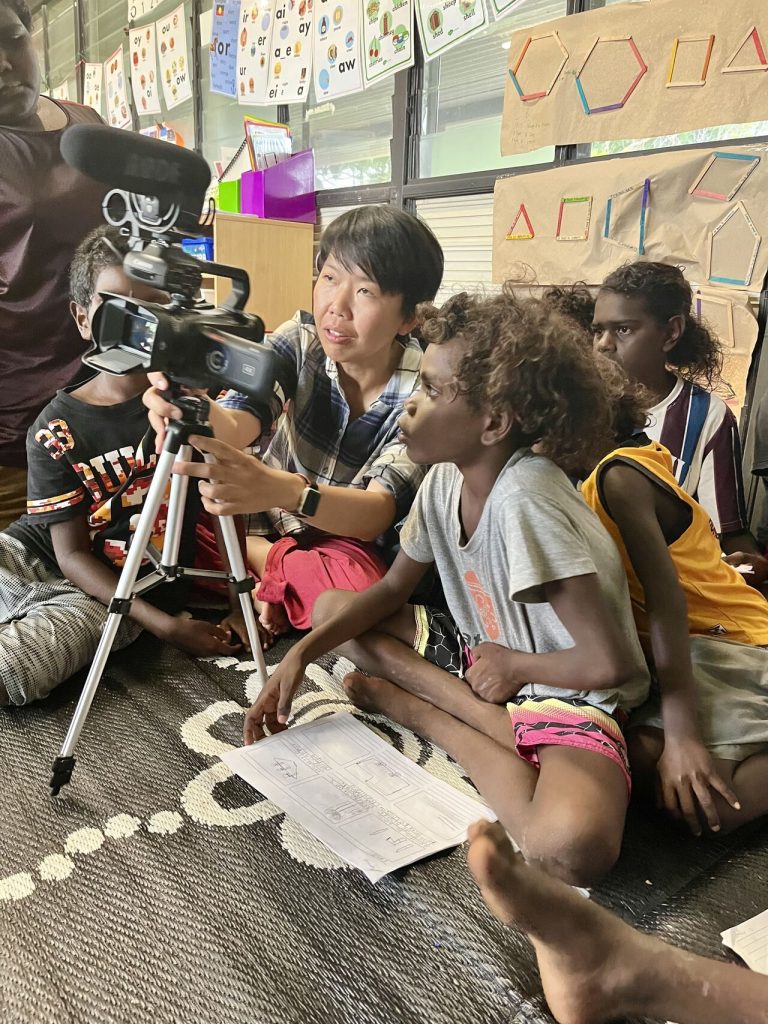
Community Banashi
Community Banashi was an international digital storytelling project funded by the Australia–Japan Foundation (DFAT) that connected students from rural Japan with Indigenous students from the Yolŋu community at Garrthalala in remote East Arnhem Land, Northern Territory. Through intensive workshops, students produced their own short films about local culture and traditions -exploring topics such as the Yolŋu LipaLipa canoe and Japan’s Tachi-Odori dance festival. The films were later shared and translated between the communities, creating a cross-cultural exchange through storytelling, language and place.
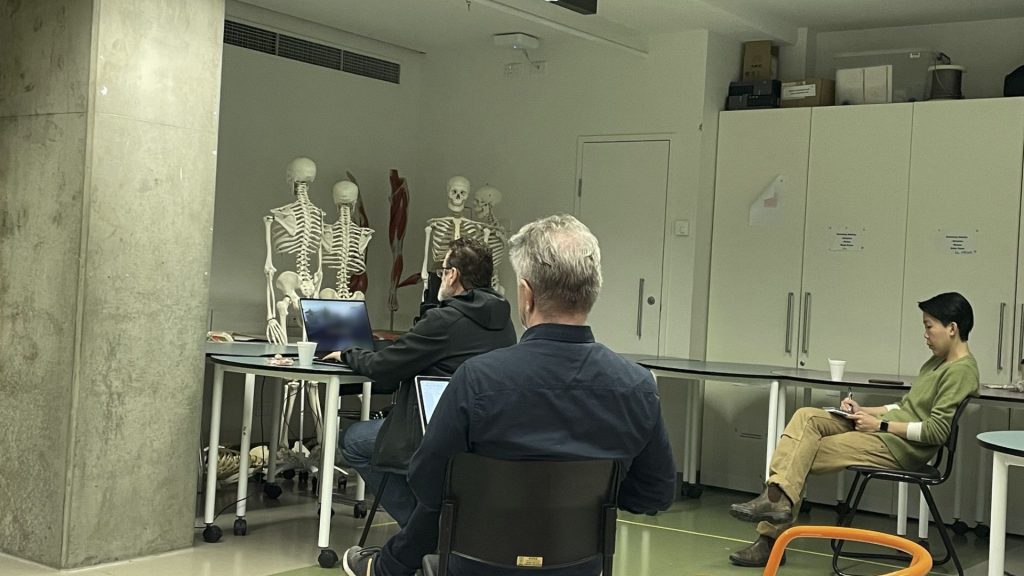
The Road to Safer Walking: Improving Hazard Perception in Older Adult Pedestrians
This collaborative research project explores how design and technology can support safer walking for older Australians. Bringing together researchers from ACU and RMIT, the project investigates how environmental design, digital tools and community engagement can improve walkability and reduce risks for ageing populations. The project aims to generate insights that inform safer, more inclusive urban environments that support mobility, independence and well-being for older adults.
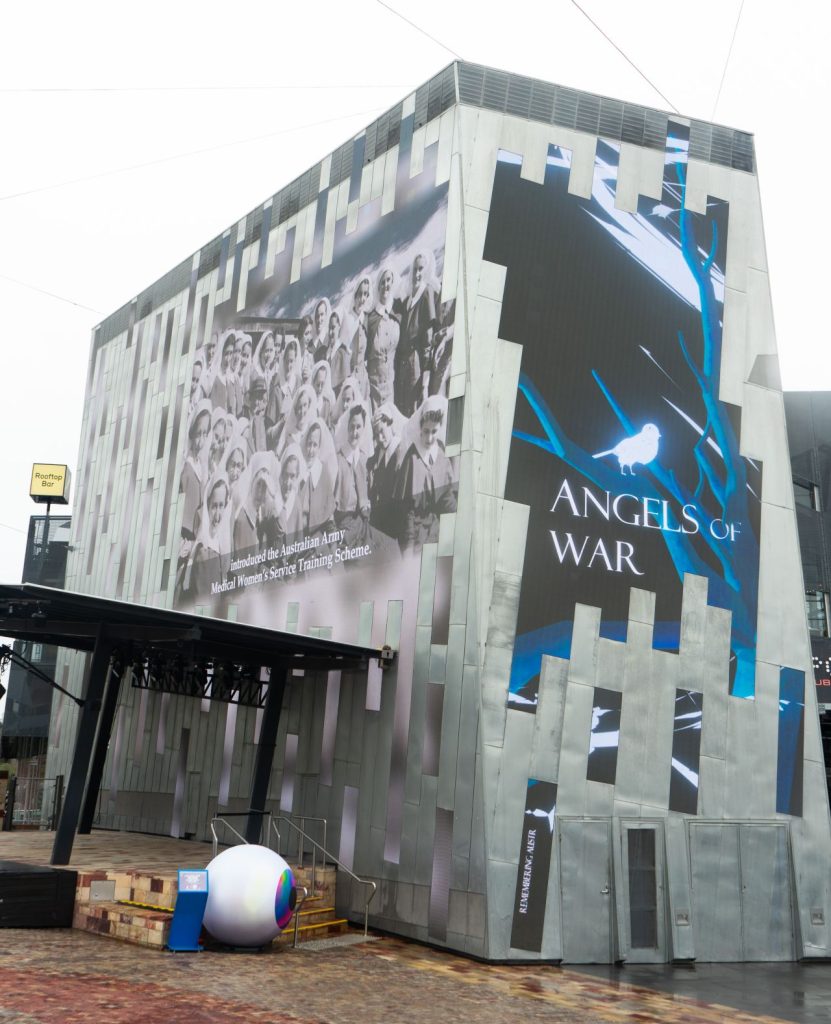
Angels of War: Remembering Australian Army Nurses
Angels of War: Remembering Australian Army Nurses was a digital media exhibition presented at Federation Square in partnership with Federation Square and supported by the Victorian Government and the Victorian Veterans Council. Developed with my students, the project combined Virtual Reality (VR), an Augmented Reality (AR) trail, and digital video to share the stories and historical contributions of Australian Army nurses with the public. Designed as a site-specific outdoor experience, the exhibition explored how immersive technologies can engage diverse audiences with history while balancing respectful storytelling with interactive digital design.
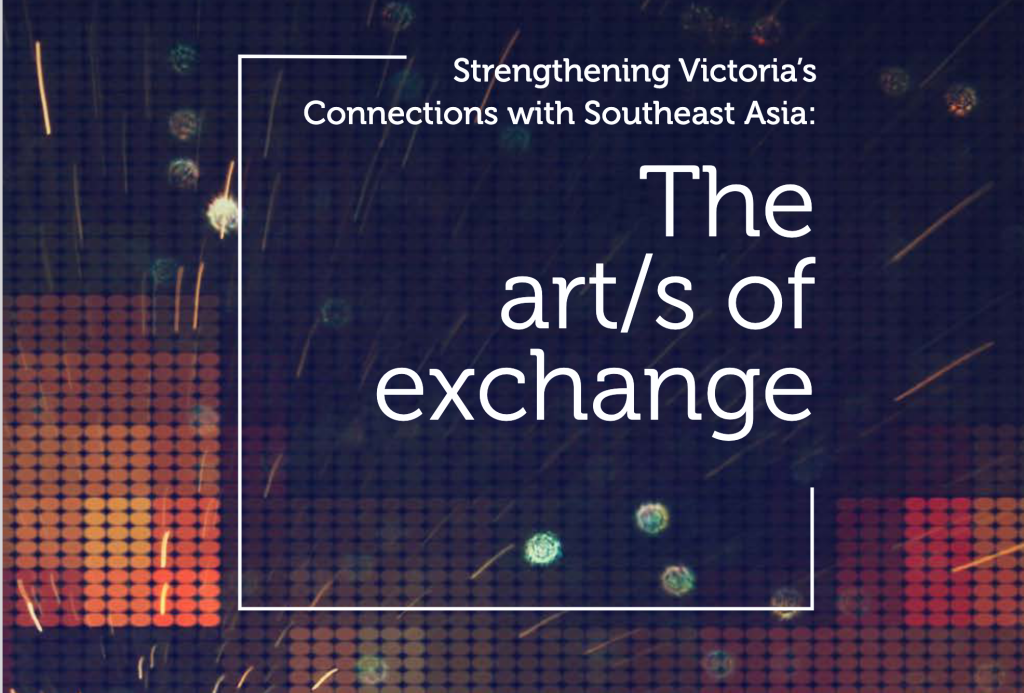
The Art/s of Exchange
The Art/s of Exchange is a research project examining how galleries, libraries, archives and museums adapted their digital cultural services during the COVID-19 pandemic. Conducted through the Asia Trade and Innovation Hub (ATIH), the project investigated how institutions across Victoria expanded online access to collections and explored new digital delivery models to engage audiences, particularly in Southeast Asia. The resulting report and accompanying interviews highlight opportunities for more accessible, sustainable, and internationally connected approaches to digital cultural engagement.
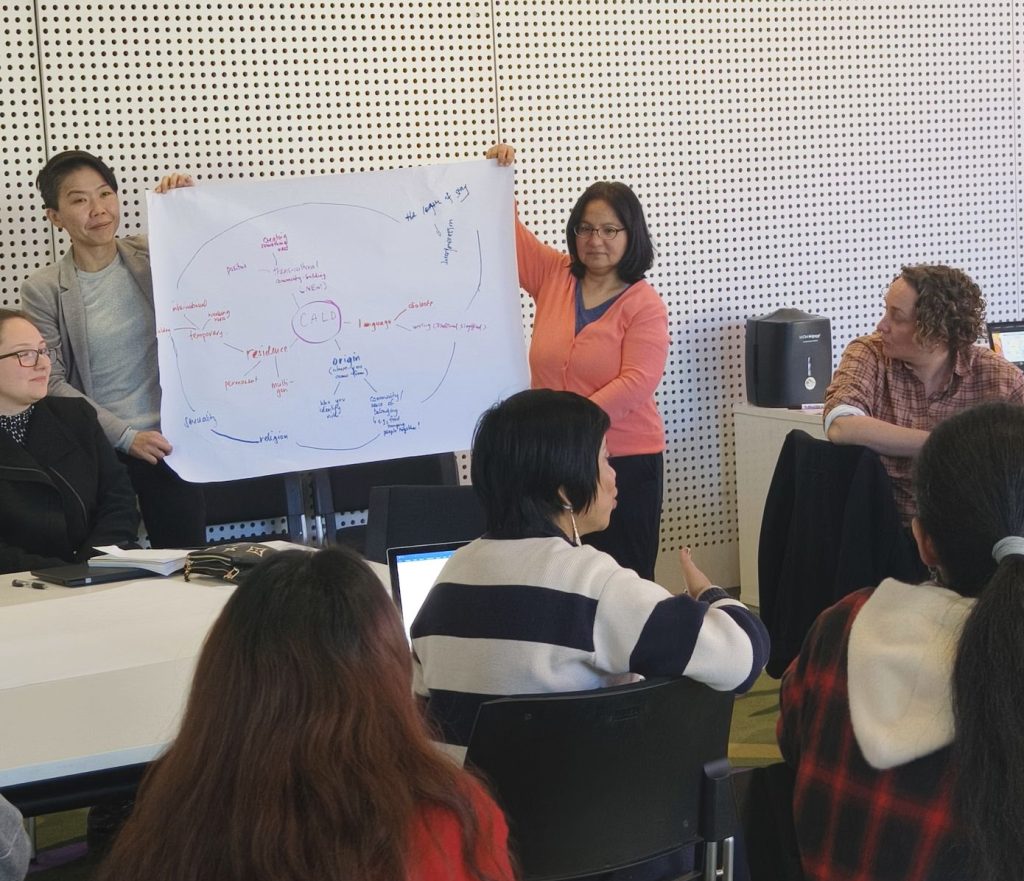
Respectful Methods: Understanding Multicultural Migrant Communities in Australia
This project brought together an all-CaLD (Culturally and Linguistically Diverse) research team from RMIT and partner institutions to explore questions of cultural visibility, recognition, and well-being within multicultural societies. Through a series of facilitated workshops involving participants from community organisations, media, education, mental health, and local government, the project created a space for open dialogue on the lived experiences of CaLD communities. The discussions highlighted the importance of culturally responsive engagement and have since led to further interest from organisations seeking similar conversations.
Publications (Selected)
- Carrigan, A.J., McGuckian, T.B., Wilson, P., Greene, D., Duckworth, J., Thong, L.P., Eldridge, R., Psarakis, M., McKinnon, A.C., Fearnley, P. and Bennett, J.M. (2026). Predicting safe street-crossing for older adults using a multifactorial model: The role of visual perceptual, cognitive and physical factors. In: Transportation Research Part F: Traffic Psychology and Behaviour, 116, ISSN 1369-8478, https://doi.org/10.1016/j.trf.2025.103425
- Carrigan, A.J., McGuckian, T.B., Wilson, P., Greene, D., Duckworth, J., Thong, L.P., Eldridge, R., Psarakis, M., McKinnon, A.C., Fearnley, P. and Bennett, J.M. (2025). The Feasibility of a Virtual Reality Hazard Perception and Gap Acceptance Task for Older Adults to Improve Pedestrian Safety. In: Human Factors and Ergonomics in Manufacturing & Service Industries, 35: e70026. https://doi.org/10.1002/hfm.70026
- Gomes C., Qi J., Thong L. P., Chen L, Wang, W. (2024). Respectful Methods: Understanding Multicultural Migrant Communities in Australia. Commissioned Report
- Cooper, G., Thong, L. P., & Tang, K. S. (2024). Transforming Science Education with Virtual Reality: an immersive representations model. In: Educational Media International, 61(3), 229–251. https://doi.org/10.1080/09523987.2024.2389348
- Moloney, C.,Trevena, B.,Huggins, A.,Thong, L.,Button, J. (2023). Strengthening Victoria’s Connections with Southeast Asia: The art/s of exchange. In: State Government of Victoria Melbourne
- Thong, L., Anich, J. (2022). Foodbank Meals on Y Waste App – Phase 2. In: Fight Food Waste Cooperative Research Centre Adelaide, Australia
- Anich, J.,Thong, L. (2022). Foodbank Meals Via Y Waste App. In: Fight Food Waste Cooperative Research Centre Adelaide, Australia
- Park, H., Cooper, G., Thong, L. (2022). Designing an Immersive Virtual Reality Classroom Exploring Behaviour Support Strategies. In: Video Journal of Education and Pedagogy, 35, 1 – 17
- Cooper, G.,Park, H.,Nasr, Z.,Thong, L.,Johnson, R. (2019). Using virtual reality in the classroom: preservice teachers’ perceptions of its use as a teaching and learning tool. In: Educational Media International, 56, 1 –13
Full Publication List on Google Scholar