Farm fact – the speckled patterns on quail eggs are akin to fingerprints, unique to individual quail hens.
It still amazes me. Each hen lays with the same pattern her entire life, like a built-in signature.
I grew up eating quail eggs. It’s very common in Malaysia – we typically hard boil them, served with congee or soup. When I gave them to colleagues, they didn’t know what to do with them. The eggs are tiny but highly nutritious – their yolk to white ratio is higher than chicken eggs.
I keep ducks, chickens and quails – partly for variety, partly for resilience. Different birds have different rhythms, needs and strengths, hence I’m not over-reliant on one species.
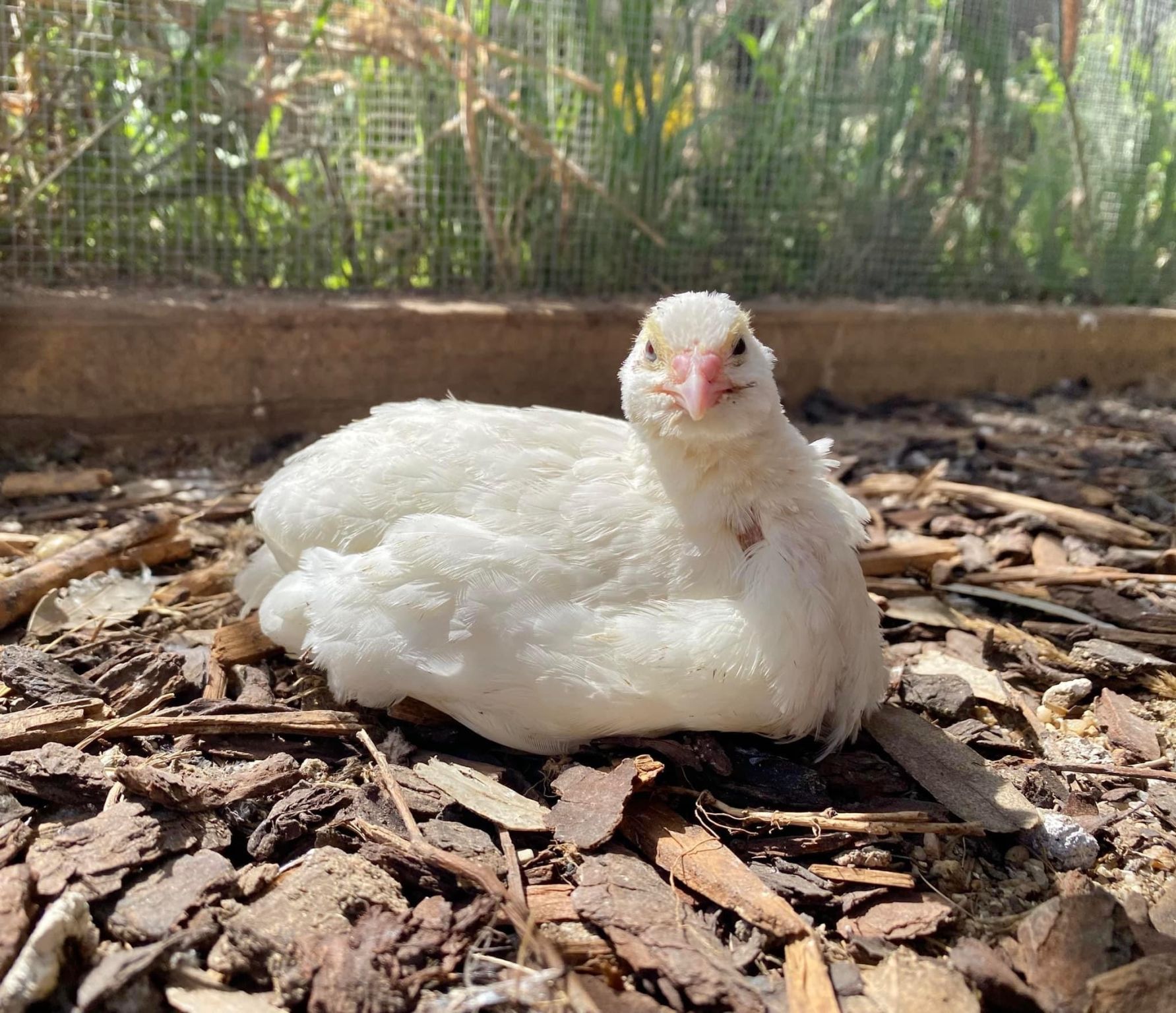
Quails are by far the most underrated bird of all. They’re deemed game birds – hence their feed is different – higher protein for optimum egg production and much more expensive – but they’re prolific layers. One egg a day. In a good month, I collect about 200 quail eggs.
All natural instincts have been bred out of them, hence it’s highly unusual for them to hatch their eggs naturally – their eggs always need to be incubated.
They’re also considered a delicacy. But I can’t bring myself to do it. I once sold a batch of live quails to pet shops and made a tidy profit – enough to cover the feed costs for all animals on the farm that month. Quails are ground-dwelling birds – people like keeping them in aviaries to pick seeds off the ground. But I didn’t feel good parting with my quails, so that was a short-lived project.
Quails live fast, but their contribution is constant and abundant. It takes only 18 days to hatch an egg through incubation – then about 8 weeks for that chick to start laying eggs. So you’re looking at about 10 weeks from incubating an egg to collecting eggs from the chick.
That’s an incredibly efficient and self-sustaining cycle. Chickens and ducks, by contrast, take 21 to 30 days for incubation and about 6 months before their first egg. They live longer – up to 10 years – they taper off egg production slowly.
Whereas quails burn bright and short. Mine live for about 2 years. I tag them to log different batches I’ve incubated – each batch tends to reach the end of life together, within days or weeks. That synchronised closure becomes a signal to reset the cycle, fire up the incubator and raise a new crop of chicks.
I started off with 17 quails five years ago. Since then, I would’ve hatched over 100, maybe more – collecting thousands of eggs. I still haven’t quite resolved how to close the loop entirely. The incubator could easily run on solar but feed is the sticking point – it’s costly and not something I can produce myself. Regeneration sounds simple in theory, but in practice, it comes down to details like this, parts of the system you still have to depend on. Maybe I’ll figure this out one day.